The History of Electronic Music
What is Electronic Music?
Electronic music is an umbrella term that covers many genres of music produced or enhanced by using electronics. Yes, it is more than just EDM! Common methods of creating electronic music include the use of electronic instruments, music technology, and digital software. In its early days, electronic music was experimental, often created by manipulating tape recordings or recording sounds made by technology. Commercial synthesizers were introduced in the 1960s, which helped electronic artists blend the idea of electronic-based music with more accessible genres such as pop and rock. By the 1970s, electronics became fundamental in the creation of dance music, such as house or disco. As of the 2000s, many popular songs we hear on the radio have been created digitally. Today, there are many musicians working with digital software who wish to continue to push the boundaries of music convention. As a result, electronic music has proved itself to be a diverse and forward-thinking genre.
It All Began With Tape Recordings
The concept of electronic instruments was introduced in the 1920s (most notably, the Theremin was invented in 1924) and experimentation continued through the 1930s. Electronic music was then pioneered in the late 1940s by avant-garde classical composers who began experimenting with creating electroacoustic sound collages by manipulating tape recordings. The introduction of the tape player made recording electronic music much easier. By the 1950s, artists from many countries including Germany, Japan, the United States, Russia, and Australia began to experiment with new ways of creating, developing, and recording music using technology including circuitry, computers, and other forms of machinery.
The Modernization of Electronic Music
Synthesizers became practical instruments in the 1960s. With this push, electronic music went from experimenting with sound through use of technology to a commercial, accessible form of music creation. Synthesizers became increasingly more common in pop, rock, and disco, the latter of which solidified the role of electronics within dance music. Acts such as The Beatles, the Beach Boys, and The Doors were instrumental in using electronics to help develop the sound of modern music as we know it. By the end of the 1970s, the use of electronics helped established well loved genres such as psychedelia, progressive rock, hip-hop, and synthpop.
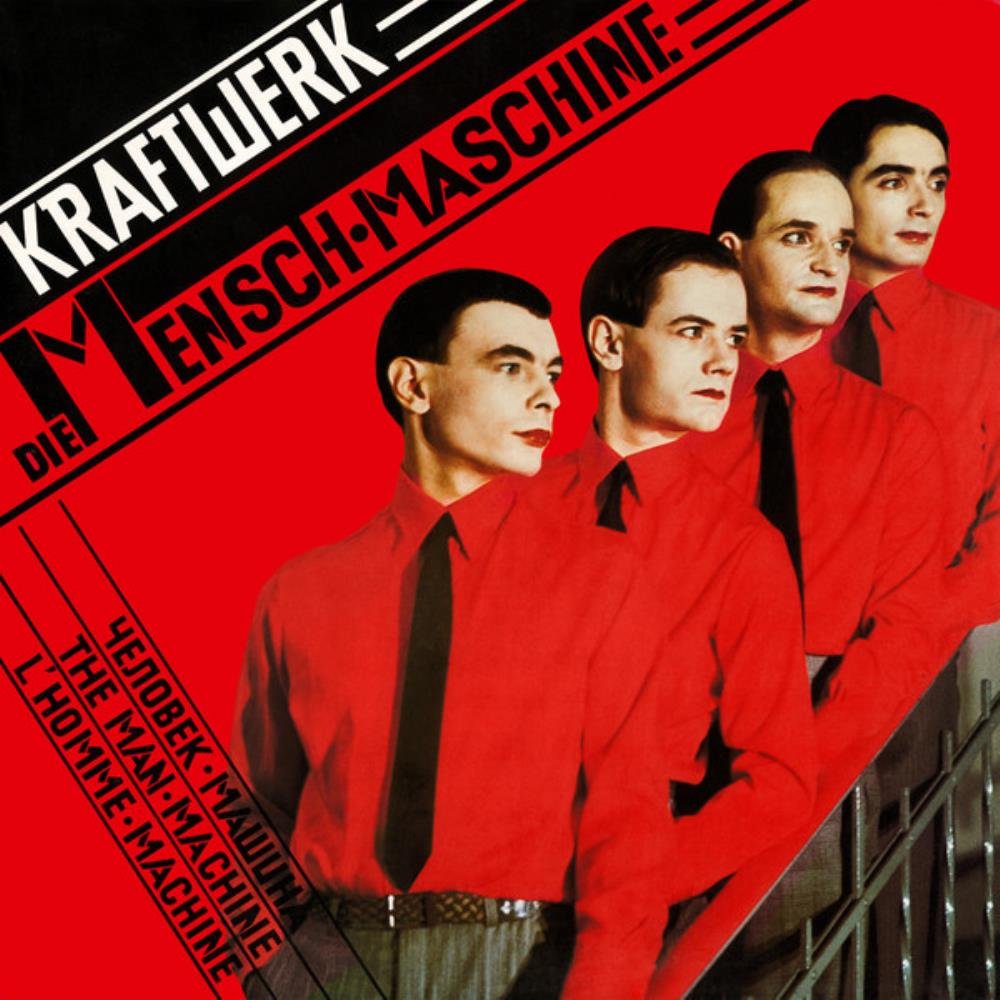
Kraftwerk’s album “The Man-Machine” (1978) is one of the biggest influences on modern electronic music.
The Rise of EDM
The use of electronics in creating music became more accessible than ever with the invention of digital synthesizers in the 1980s. Many electronic dance music genres and movements well known today were introduced at this time, including house music and techno. As personal computers became increasingly more common in the 1990s, artists continued to explore new ways to create and record dance music. Rave culture was introduced during this time and genres such as trance, drum and bass, breakbeat, and IDM gained traction. Throughout the 2000s to the present, EDM continued to evolve and began to branch off into a whole world’s worth of subgenres.
Electronic Music Today
The use of electronics in creating and exploring music became emphasized as MP3s were introduced, DAWs (digital audio workstations, such as Ableton) became popular, and streaming services such as YouTube and Spotify made music discovery easy. By the 2000s, electronic music became embedded within pop culture. The use of electronics spread throughout all genres, electronic music was commonly seen in TV, film, and video game soundtracks, and electronic pop (electropop) acts such as Britney Spears, Lady Gaga, and Kesha began to dominate radio stations. Electronic music had successfully solidified itself in the mainstream and became a genre of music recognizable to anyone.