Witch House: The Occult-Based Interpretation of Chopped and Screwed
“Witch House” refers to a genre of electronic music born from the mixture of southern hip-hop and trap production styles complimented by dark, occultic visuals and synthesizers. On one side of the equation is the hip-hop subgenre “chopped and screwed” – born from slowing records down, lowering the pitch, repetition sections, and cutting between passages to create a woozy and hypnotic effect. The other half of witch house pulls from goth-adjacent genres such as darkwave, gothic rock, industrial, ethereal wave, ambient music, shoegaze and synthpop. These gothic elements make the hip-hop beats sound haunted through the use of droning synths, washed-out textures, obscured vocals, and heavy use of reverb and distortion.
Becoming an Internet-Born Goth-Focused Underground Movement
SALEM launched their career in 2006 out of Traverse City, Michigan, and are the first known act to fuse hazy, cryptic production styles from electronic, hip-hop, and rock subgenres. The name “witch house” itself wasn’t coined until late 2009, when musician Pictureplane mentioned the term in passing to describe the occult-influenced dance music he and his friends were making, not realizing that the recognition of the production style would become the basis for an upcoming scene. Artists, along with music journalists and blogs, would begin to use this term soon after. Effectively, the genre was established through internet discussions.
It wasn’t until 2010 that other acts began catching onto the sound. During this year, witch house as a movement exploded in popularity on platforms such as tumblr, Soundcloud, and Bandcamp. Artists and fans of the genre began to assign it distinct visual styles – imagery of occultism, witchcraft, glitched-out graphics, the use of crosses, “Lynchian” horror, and gothic fashion were used to dress the music. Typology was a major aspect of witch house at the time through artists’ use of triangles as “A”s, crosses as “T”s, and other un-typable Unicode symbols. Aside from aesthetics, this technique was used to “gatekeep” the genre from mainstream attention by using obscure, hard-to-search band and album names. From this era, founding acts such as White Ring, oOoOO, Balam Acab, Rituals, CRIM3S, and Creep emerged.
The Death and Legacy of Witch House
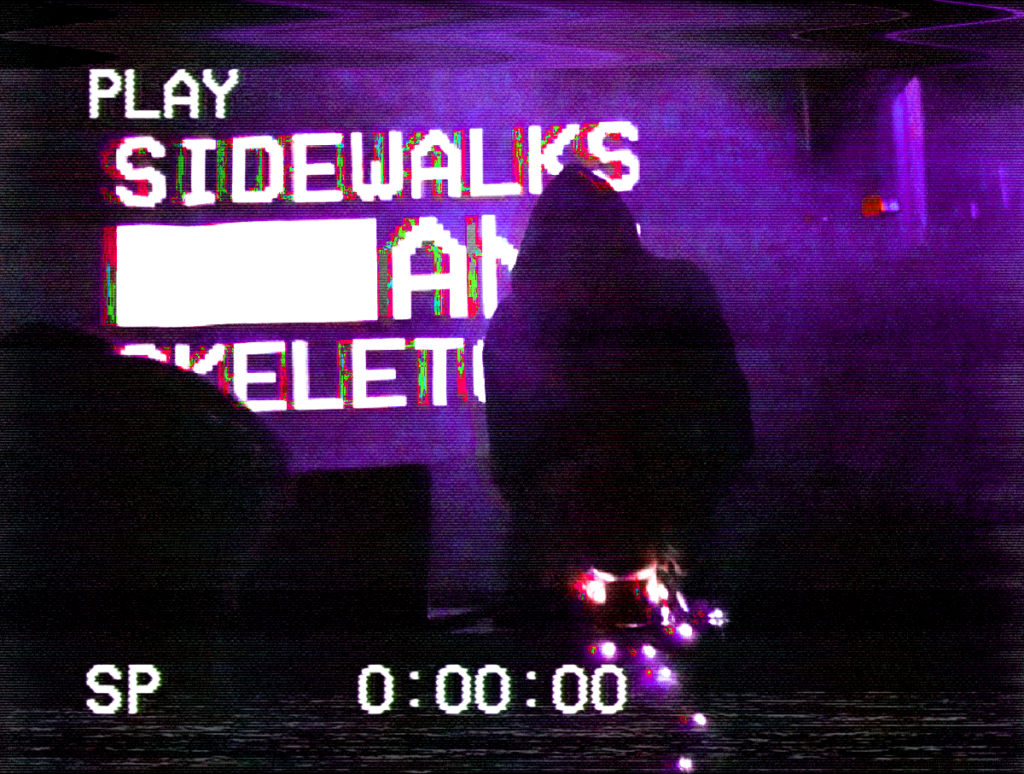
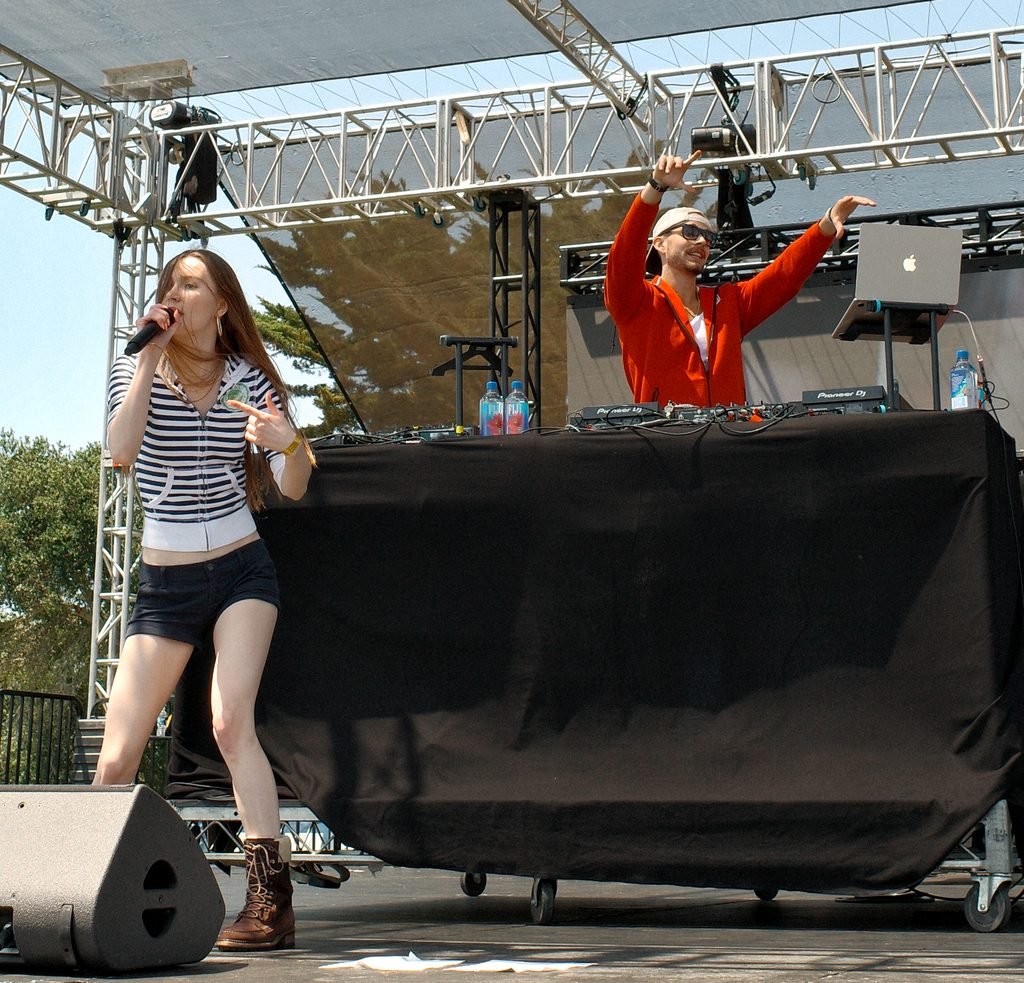
By 2013, witch house was considered to be “dead”, with many of its artists disappearing, changing styles, or moving into adjacent genres. Retroactively, it is estimated that witch house’s relevance and popularity lasted for a mere 18 months. Though witch house, in essence, lived on. From the hip-hop side of witch house, cloud rap grew immensely in popularity. Genre pioneers such as Clams Casino, Lil B, and SpaceGhostPurrp borrowed the hazy, drone-y sound from the genre and took it in a more explicitly hip-hop direction – thus, cloud rap was born. Other acts focused more on retaining the electronic and aesthetic aspects of the genre while leaning more heavily into synthpop and electroclash, including Pastel Ghost, Sidewalks and Skeletons, and IC3PEAK. Notably, White Ring also returned to the scene to produce witch house once again in 2018 after a 7 year hiatus.
With internet usage ever on the rise, witch house has began to regain its popularity in recent years. Direct descendants of witch house include new internet-born microgenres sigilkore and hexD, spinning the genre with bit-crushed, sped-up vocals and compressed, distorted production. Adjacently, the late electroclash side of witch house has been explored by recent niche artists such as Snow Strippers, Akiaura & Lonown, Frost Children, and Suzy Sheer – all acts now considered part of the indie sleaze revival scene. With what is now decades worth of internet-based music history available for anyone to explore, it should be expected that witch house will continue to live on in fragments, inspiring new aspiring artists for many more years.
Leave a Reply