Electronic Music in the Online Age
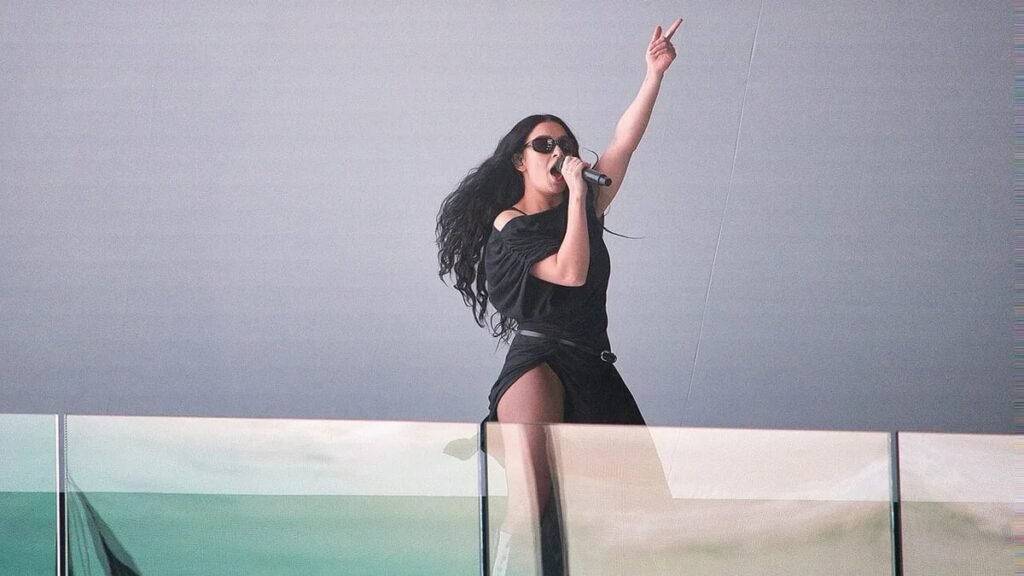
Electronic music and computers have been intertwined since the introduction of MP3s and DAWs in the 1990s, and their connection only continues to grow stronger. With Internet communities and applications, making music digitally has become more accessible than ever. Underscores, an up-and-coming electropop artist, began producing electronic music in 2012 at just 12 years old. After years of posting her music to Soundcloud, she is now signed to a label and opening for Charli XCX on her “Music, Fashion, Film” album tour. The computer software Discord has proven itself instrumental in introducing cutting-edge electronic genres such as hyperpop and digicore, which provided the foundation for the wave of “indie sleaze revival” dominating social media today. All of these genres and artists can be traced back to the development of bubblegum bass, a genre established by the music label PC Music on Soundcloud during the mid 2010s.
2011-2015: Bubblegum Bass
In the early 2010s, a new style of EDM emerged from a group of collaborators headquartered in London. Producers such as A. G. Cook, Danny L. Harle, Finn Keane (formerly known as Easyfun), SOPHIE, and Felicita began to develop a bouncy, plasticy sound that would soundtrack a counter-culture approach to EDM and pop music. Lyrics sung by artists such as Hannah Diamond, Hyd (formerly known as QT), and GFOTY hyper-exaggerated aspects of pop culture, including consumerism, gender roles, and internet personas. The complete package came to be known as the genre “bubblegum bass”. Bubblegum bass is known for contrasting sweet, melodic, feminine synths and vocals with distorted, noisy, chaotic cuts and beats. The genre itself is inspired by other Soundcloud-favorite genres such as wonky, future bass, and deconstructed club. In 2013, A. G. Cook officially established the PC Music label, specializing in bubblegum bass, and signed on many of his peers and collaborators.
2016-2021: Hyperpop
By 2016, bubblegum bass began to evolve in sound. Certain Soundcloud artists took particular interest in elements derived from the genre, such as metallic percussion, distorted synths, pitched vocals, and sing-rapping. These bubblegum bass-staple cuts were mixed with elements of hip-hop and rock to form a new kind of sound pioneered by Dylan Brady and Laura Les, who form the band 100 gecs. This style of music gained recognition through artists such as Charli XCX, Dorian Electra, Slayyyter, Food House, and umru beginning to adopt the sound. Spotify launched the Hyperpop playlist in 2019, officially coining the genre and compiling artists and songs with a similar internet-age style. Hyperpop’s popularity exploded in 2020 with the help of TikTok’s algorithm feeding popular hyperpop tracks such as 100 gecs’s “Money Machine” to users around the globe. Although hyperpop had gained major visibility, many hyperpop artists began to reject the label and the sound. What felt like a tight-knit community was now rapidly being discussed, dissected, and expanded upon. Thus, the hyperpop sound began to decline, but off-shoot genres stemming from Discord producers thrived: digicore, sigilkore, and HexD all kept some elements of the sound alive.
2022-2026: Indie Sleaze Revival
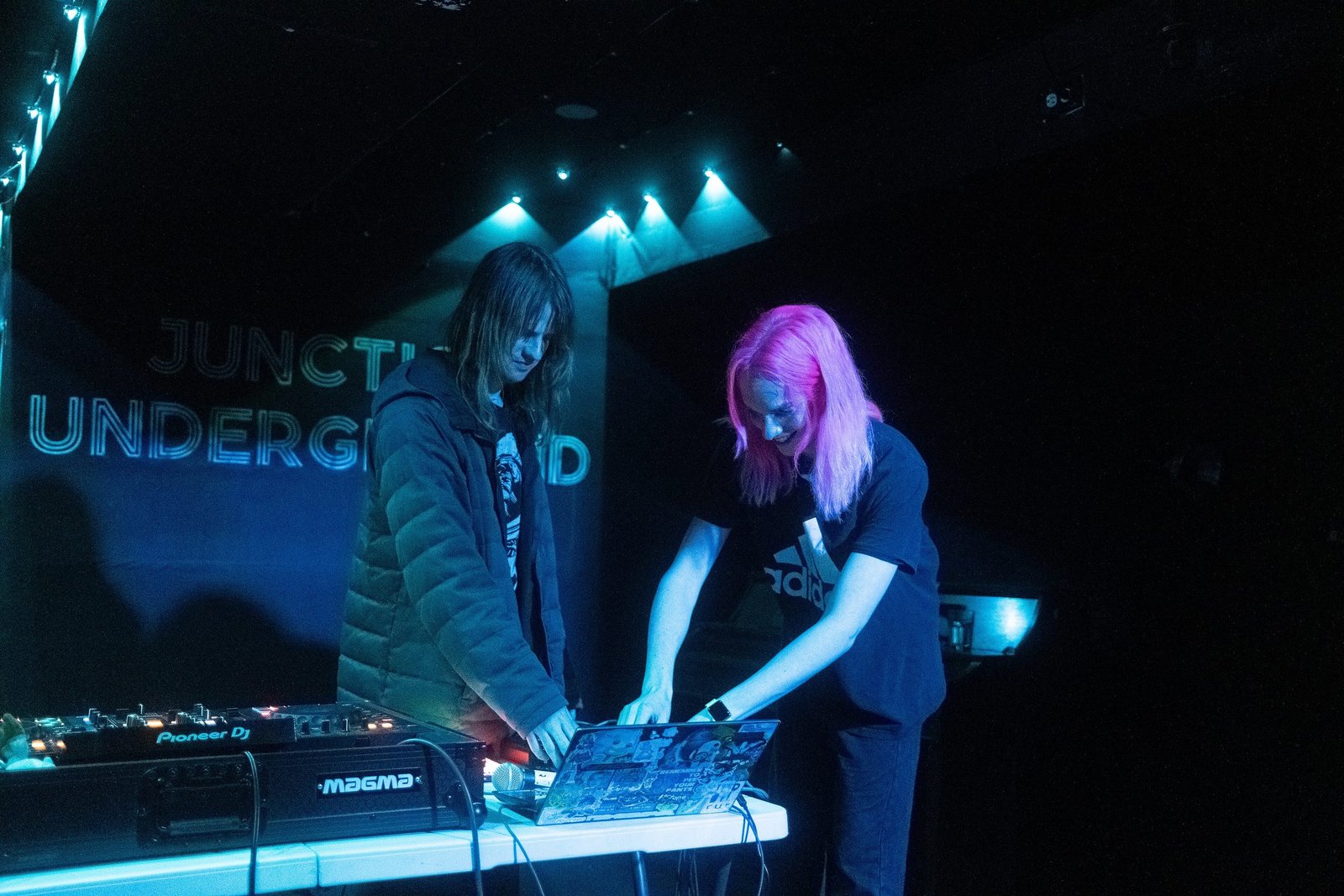
Technically speaking, artists began exploring the idea of reviving bloghouse and indie sleaze scenes around the mid 2010s. The new rave group The Hellp began releasing EPs in 2018, while electroclash-inspired Ayesha Erotica began posting her work to Soundcloud in 2016. Other acts, such as Damon R. and Suzy Sheer, drew from a similar Crystal Castle-esque style during this time. The sound did not gain traction, however, until Snow Strippers began releasing mixtapes in 2022. Soon after, the “indie sleaze” aesthetic began to take off, and more artists began to emerge with a similar style: MGNA Crrta, 2hollis, The Dare, Tommy Fleece, and Bassvictim included. Charli XCX’s release of Brat in 2024 launched indie sleaze revival’s popularity, with her peers Kim Petras and Slayyyter also taking on this sound for their respective recent releases. Unlike hyperpop, which distinctly evolved from bubblegum bass, indie sleaze revival is linked less through sound and more through look or “vibe”. There is less of a direct lineage, and more pulling from a bygone era: ripped jeans, warehouse parties, fur coats, cigarettes, and hedonistic tendencies. If we can define it loosely, indie sleaze revival draws sonic inspiration from new rave, indietronica, electroclash, electropop, house, and indie rock. Think whatever was popular on Myspace.
“Post-Hyperpop” and Defining Electronic Subgenres in Modern Day
So what links hyperpop to indie sleaze revival? If we had to pin it down, probably Charli XCX’s relevancy in both sounds. Though there is no real solid link between the two besides how easy it is to gain popularity from self-produced music nowadays. It is thanks to platforms that make music discovery easy such as Spotify and TikTok that these genres have been able to grow and flourish. An increase in fanbase and decrease in solid, defining movements has effectively blurred the lines between modern day electronic genres. Genres are beginning to matter less than association. For example, acts such as Underscores and Ninajirachi do not fall into any solid electronic movement, yet we commonly see their names next to hyperpop or indie sleaze headliners due to pure association. Some audiences have called any electronic musician that has gained popularity in the past 5 years “post-hyperpop”. Between all of the terms we’ve seen thrown around in the past decade – bubblegum bass, hyperpop, digicore, indie sleaze revival, bloghouse revival, post-hyperpop – it is becoming more and more clear that the future of electronic music genre development is uncertain and is becoming ever more difficult to classify through sound.
Leave a Reply